
HBS Interview Invites: What to Expect
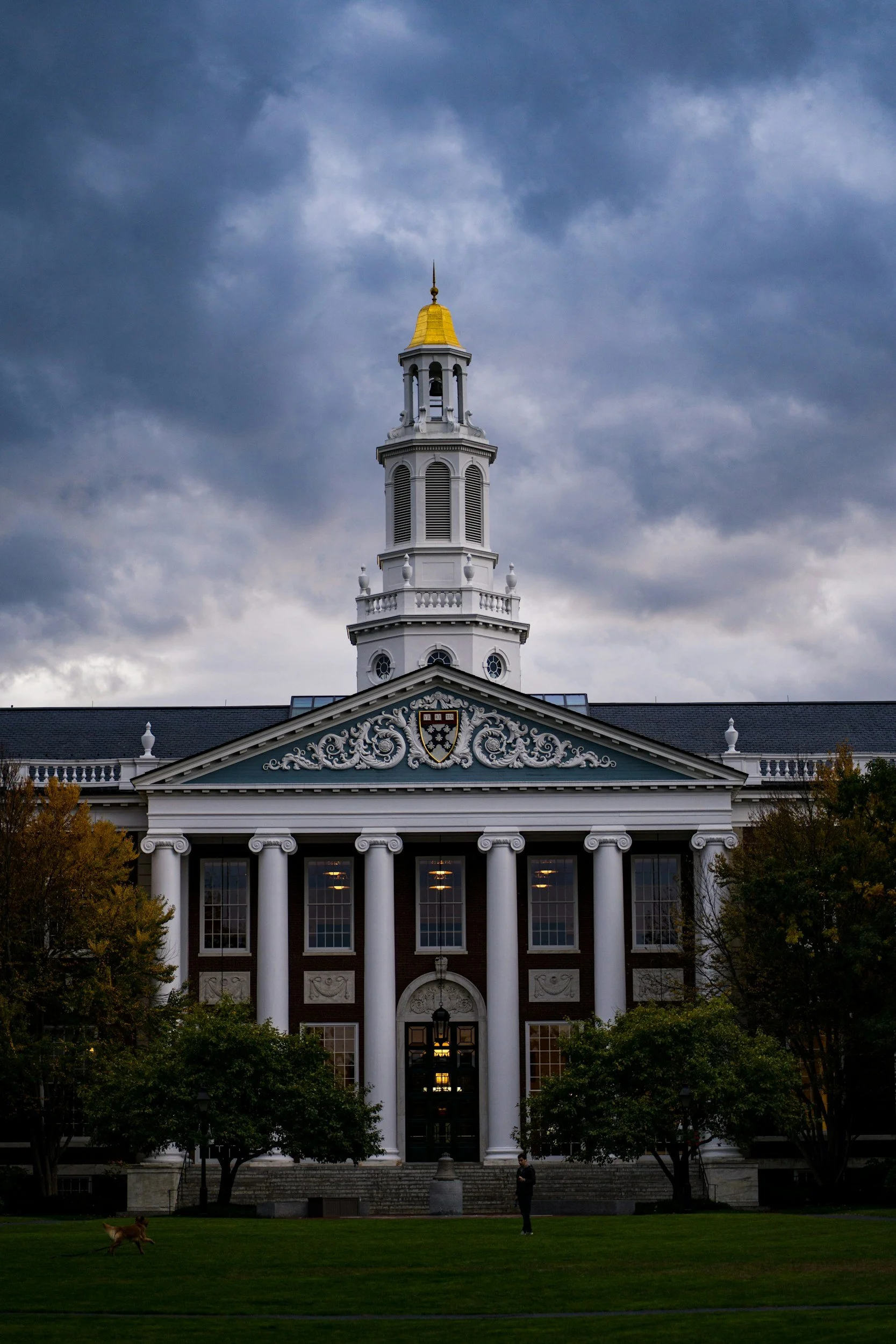

We are approaching one of the most nerve-racking days of the entire admissions cycle: HBS interview invite day.
Last year, the HBS admissions committee posted on their blog on September 25th that in four days, on September 29th at 12pm Eastern, they would be releasing invites. I anticipate the timing will look similar this year. There are three possible outcomes: an interview invite, further consideration (a deferral to round 2), or early release.
What are the next steps?
The interview invite will include instructions on how to book your interview, usually through an online calendar portal that opens the following day. The later interview dates tend to go quickly, so it is important to log in as soon as it opens. There are hub city options, but I always recommend interviewing on campus if you can swing it. The on-campus interview is paired with a full day of programming, and it is a great chance to experience the school firsthand.
If you receive further consideration, HBS will follow up with instructions on how to continue engaging with them to demonstrate interest and keep your profile up to date.
What makes the HBS interview unique?
The HBS interview is quite unusual because the interviewer will have read your application. They use a rapid-fire style, which means they will drill down into your resume and essays to learn more about the things you mentioned. There is no standard set of HBS interview questions. They tailor the questions to your story: Tell me more about that moment. What did you do next? How did that person respond? What do you think about that decision now? What did you learn from that experience? What challenged you?
Answers are expected to be concise and sharp, around a minute each, but not so short that you do not give the interviewer enough content to build the next question from. Also, unlike other interviews, you do not need much "why HBS" content. You can prepare some to have in your pocket, but HBS already knows about HBS. They really want to understand you.
This is also why preparation looks different for HBS. Roughly 90 percent of your prep time should go toward rereading your resume and essays and thinking through the details beneath everything you wrote: the challenges, the learnings, the reflections. You cannot predict every question, but you can get comfortable with the style.
What happens after the interview?
You will have 24 hours to write a post-interview reflection, which was up to 450 words in past years. It is not expected to be as polished as your application essays. It is simply your chance to reiterate the highlights of your interview, make any corrections, and fill in any gaps you did not get to cover. I suggest jotting down some notes right after the interview, walking away for a few hours, and then sitting down to write once the adrenaline has settled.
Clients often ask me why HBS has the post-interview reflection. Have you ever had an important meeting where you later rehashed all the details and kicked yourself over the things you wish you had done differently? The person on the other side likely did not even notice those gaps. I always picture high-achieving HBS interviewees in past years leaving their interviews, beating themselves up over where they felt they fell short, and sending a note to the admissions committee to make a correction. So HBS simply decided to give them a forum for it.
So, I wish you good luck on invite day. If you land the interview, remember that there are no wrong answers. It is simply a conversation about a story you already know very well: your own.